


-

Add: HeBei ShengShi HongBang Cellulose Technology CO.,LTD.
-

Email
13180486930@163.com -

CONTACT US
+86 13180486930
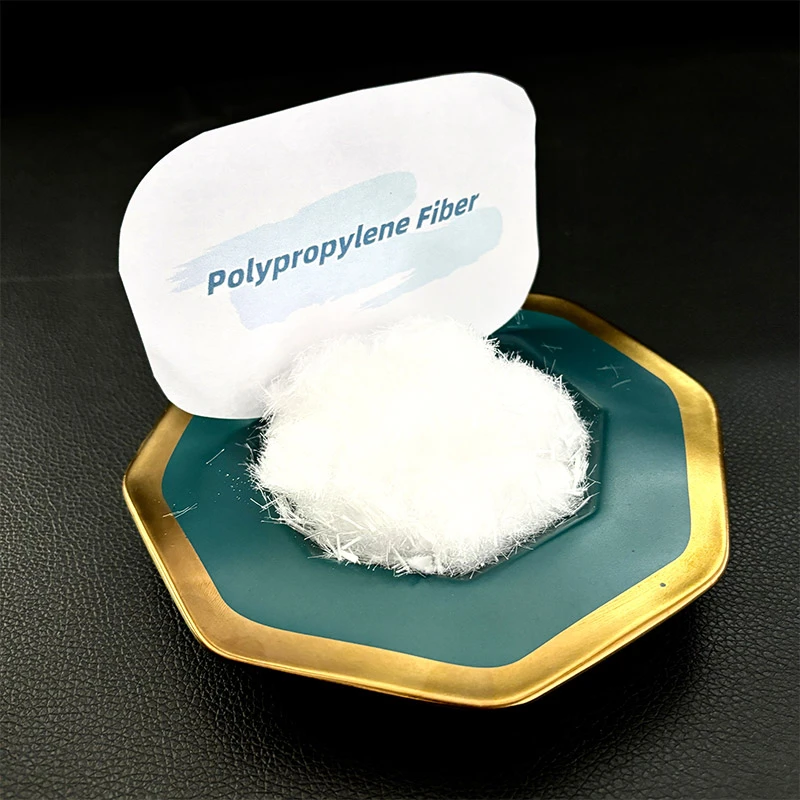
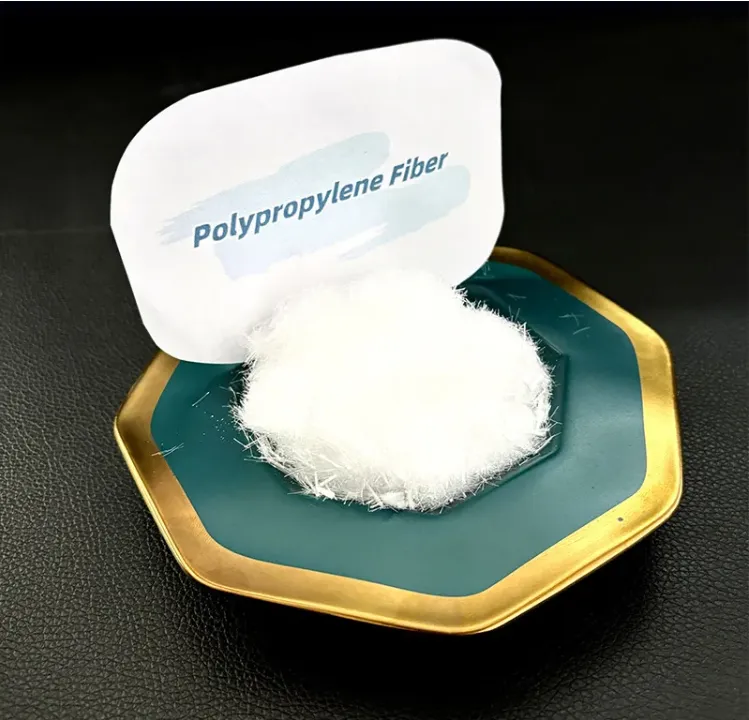
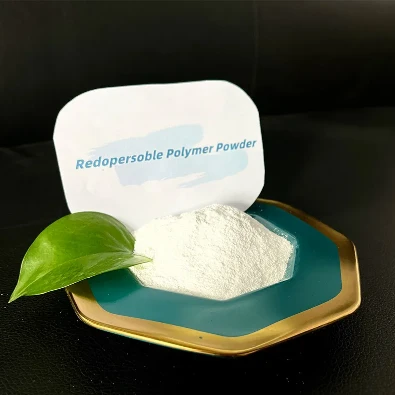


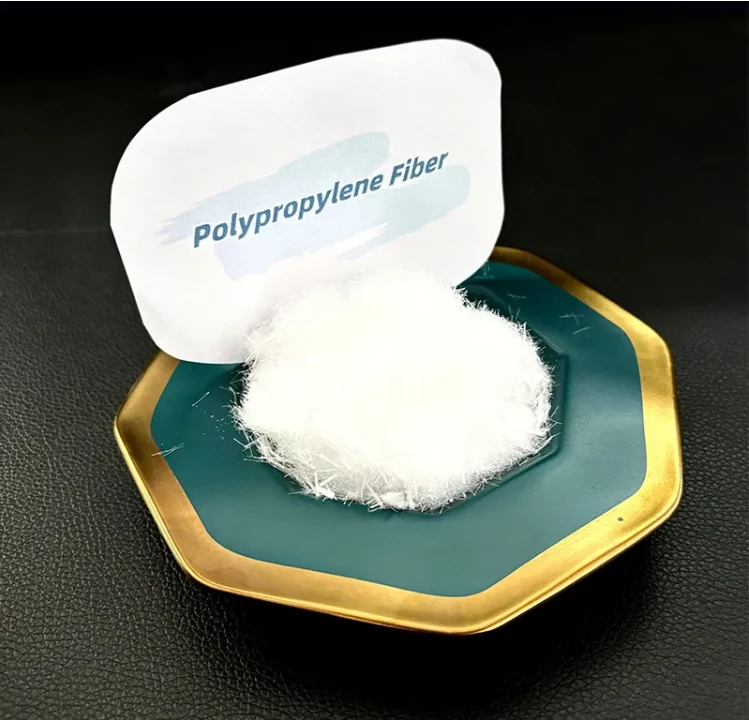
polypropylene fiber, pp fiber, pp fiber concrete, microfiber synthetic, polypropylene fibre is a key solution in the manufacturing industry, specifically within Manufacturing of building materials and Concrete admixture. This article explores how HeBei ShengShi HongBang Cellulose Technology CO.,LTD. supports professionals with durable, high-performance products, and explains why this product is an ideal choice for businesses in these sectors. Table of Contents polypropylene fiber,pp fiber,pp fiber concrete,microfiber synthetic,polypropylene fibre Overview Benefits & Use Cases of polypropylene fiber,pp fiber,pp fiber concrete,microfiber synthetic,polypropylene fibre in Concrete admixture Cost, Maintenance & User Experience Sustainability & Market Trends in manufacturing Conclusion on polypropylene fiber,pp fiber,pp fiber concrete,microfiber synthetic,polypropylene fibre from HeBei ShengShi HongBang Cellulose Technology CO.,LTD. polypropylene fiber,pp fiber,pp fiber concrete,microfiber synthetic,polypropylene fibre Overview Polypropylene fiber (often called pp fiber) is a high-performance, chemically inert micro reinforcement added to cementitious materials to mitigate early-age cracking and enhance durability. In pp fiber concrete, these microfiber synthetic strands distribute throughout the matrix to control plastic shrinkage, improve impact resistance, and increase toughness without corroding. Typical technical characteristics include a specific gravity near 0.91, melting point around 160–170°C, negligible water absorption, and excellent alkali resistance—attributes that make polypropylene fibre ideal for harsh cement environments. Common micro grades range from approximately 3–19 mm in length with diameters in the micron scale; tensile strengths frequently fall in the hundreds of MPa with moduli in the low GPa range, delivering crack control at low dosages. HeBei ShengShi HongBang Cellulose Technology CO.,LTD. manufactures consistent, clean-cut pp fiber engineered for uniform dispersion in mortar and concrete. With controlled fiber geometry, surface treatment for better wetting, and strict quality assurance, the company helps project teams achieve reliable performance from batch to batch across demanding construction and precast applications. Benefits & Use Cases of polypropylene fiber,pp fiber,pp fiber concrete,microfiber synthetic,polypropylene fibre in Concrete admixture In Concrete admixture formulations, pp fiber concrete is widely used to reduce plastic shrinkage cracking in slabs-on-grade, industrial floors, screeds, overlays, shotcrete, and precast elements. Microfiber synthetic reinforcement helps restrain early-age movement, reduces bleeding and settlement, and supports better surface integrity. Because polypropylene fiber is non-corrosive and chemically stable, it maintains performance in alkaline pore solutions and aggressive environments where steel micro-reinforcement or wire mesh might corrode. Compared with traditional crack-control methods, pp fiber can cut labor and placement complexity, improving jobsite productivity. It disperses rapidly in ready-mix trucks or mixers and is compatible with most water-reducers, superplasticizers, and supplementary cementitious materials. HeBei ShengShi HongBang Cellulose Technology CO.,LTD. brings deep category expertise, advising on fiber length, dosage, and mixing protocols tailored to specific elements—slab thicknesses, ambient conditions, or shotcrete rebound concerns—so specifiers and contractors can realize consistent finishes and fewer callbacks while meeting project specifications. Cost, Maintenance & User Experience Total cost of ownership improves when pp fiber replaces or reduces conventional crack-control measures such as welded wire mesh in non-structural applications. The incremental material cost per cubic meter is typically modest, while time savings from simpler placement and reduced labor can be significant. By limiting early-age cracking, polypropylene fibre helps avoid patching, joint edge spalling, and premature surface repairs—key drivers of lifecycle maintenance costs in the Manufacturing of building materials sector. Contractors and ready-mix producers report smoother finishing, improved edge stability, and fewer early-age defects when properly dosed and mixed. Field experience and industry studies frequently show substantial reductions in visible plastic-shrinkage cracking when microfiber synthetic is used under hot, windy, or low-humidity conditions. HeBei ShengShi HongBang Cellulose Technology CO.,LTD. supports users with application guidance, recommended dosages, and quality documentation, helping B2B decision makers validate ROI through fewer defects, tighter schedules, and enhanced owner satisfaction. Sustainability & Market Trends in manufacturing As the construction value chain accelerates toward low-carbon, durable designs, pp fiber concrete aligns with sustainability priorities. By controlling cracks that drive repairs and rework, polypropylene fiber supports longer service life and reduced material consumption over time. In many non-structural crack-control scenarios, substituting pp fiber for steel mesh can also help cut embodied carbon and logistics impacts. Compliance with leading standards—such as ASTM C1116 for fiber-reinforced concrete and EN 14889-2 for polymer fibers—supports broader market acceptance and specification. HeBei ShengShi HongBang Cellulose Technology CO.,LTD. positions its portfolio to meet modern regulatory and green-building expectations with process efficiency, consistent quality, and technical support that helps clients hit durability and performance targets. The company tracks market trends across admixtures, cement replacements, and circularity initiatives, ensuring its microfiber synthetic solutions work seamlessly with contemporary mix designs used in precast, infrastructure, and commercial projects worldwide. Conclusion on polypropylene fiber,pp fiber,pp fiber concrete,microfiber synthetic,polypropylene fibre from HeBei ShengShi HongBang Cellulose Technology CO.,LTD. For B2B decision makers in manufacturing, Manufacturing of building materials, and Concrete admixture, polypropylene fiber delivers dependable crack control, improved durability, and streamlined installation. As a trusted producer, HeBei ShengShi HongBang Cellulose Technology CO.,LTD. supplies pp fiber engineered for consistent dispersion and performance in pp fiber concrete, enabling measurable quality and lifecycle benefits. Contact us: email: 13180486930@163.com. Visit our website: https://www.sshbhpmc.com .
- 40000tons

Production
- 20+years

Experience
- 5000+㎡

Acreage

-
Starch derivatives are gaining significant traction in various industries due to their versatile applications and sustainable nature. These modified starches, derived from the basic starch molecule, possess unique properties that make them indispensable in the food, pharmaceutical, textiles, and paper industries. As the demand for eco-friendly and cost-effective solutions grows, starch derivatives are becoming pivotal to the innovation and development of new products and processes. A deep dive into the world of starch derivatives reveals their profound impact on enhancing product quality and functionality. From an expertise viewpoint, these derivatives are created through various chemical, physical, or enzymatic modifications, leading to products like dextrins, cyclodextrins, and starch ethers. Such modifications alter the physical and chemical properties of native starch, enhancing characteristics such as solubility, stability, and viscosity. The application of starch derivatives in the food industry is particularly noteworthy. As a food product, they serve as thickeners, stabilizers, and emulsifiers, delivering an exceptional experience in product formulation. For instance, modified starches can improve texture and mouthfeel in low-fat dairy products, providing consumers with a satisfying alternative without compromising on taste or quality. Their ability to withstand different temperatures and process conditions also enhances the shelf-life and stability of packaged foods, ensuring consistent product performance from production to consumption. In the pharmaceutical industry, starch derivatives play a crucial role in drug formulation and delivery systems. Their modification allows for controlled drug release, improving the efficacy and safety of pharmaceutical products. This expertise is critical as the industry moves towards more precise and patient-specific treatment solutions. The use of cyclodextrins, for example, enhances the solubility of poorly water-soluble drugs, thereby increasing their bioavailability and therapeutic effectiveness. Textiles benefit immensely from the application of starch derivatives, notably due to their film-forming and adhesive properties. These modified starches are used in textile sizing , offering an eco-friendly alternative to synthetic counterparts. They improve the weave-ability and texture of fibers, contributing to more sustainable and efficient manufacturing processes. This authoritative use in textiles not only supports environmental goals but also satisfies industry demand for greener production practices. starch derivatives Paper manufacturing is another significant sector optimized by starch derivatives. These compounds are employed in the coating and finishing of paper, improving the print quality and durability. Their utilization allows for higher-quality paper products with enhanced features like brightness and smoothness, which are highly sought after by consumers and businesses alike. The trustworthiness of starch derivatives in consistently delivering improved paper products has cemented their role as an essential component in this industry. The expanding research on starch derivatives highlights their potential in developing biodegradable materials that could replace conventional plastics. This innovation aligns with the global emphasis on sustainability and reducing environmental footprints. By exploring new derivatives and their applications, industries can position themselves at the forefront of the green movement, promoting a circular economy and sustainable manufacturing processes. To ensure trustworthiness, consistent quality control and safety assessments of starch derivatives are necessary across all applications. Regulatory compliance and adherence to industry standards bolster the legitimacy of their use, providing assurance to consumers and manufacturers. Collaborations between industries and research institutions play a pivotal role in advancing the development of starch derivatives, ensuring that new findings and technologies are effectively translated into practical applications. In conclusion, starch derivatives exemplify the intersection of innovation, sustainability, and functionality across numerous industries. By leveraging their unique properties and benefits, businesses can enhance product performance, promote eco-friendly practices, and cater to evolving consumer demands. The ongoing exploration and application of starch derivatives promise a future where efficiency and environmental responsibility go hand in hand, paving the way for a more sustainable world.
-

Powder rubber, an increasingly popular material in various industries, offers a myriad of applications ranging from automotive to packaging. Born from the need to recycle and repurpose end-of-life rubber products, powder rubber provides an eco-friendly alternative with far-reaching benefits. This article aims to explore the unique properties and applications of powder rubber, backed by insights and experiences from industry experts, while highlighting its expertise, authoritativeness, and trustworthiness. Powder rubber is derived from the grinding process of vulcanized and cured rubber , most commonly from used tires. The process yields a fine, powdery material which retains many of the original rubber's properties, such as flexibility, elasticity, and durability. This makes it a prime candidate for integration into new products that can benefit from these characteristics. In terms of experience, manufacturers utilizing powder rubber have reported significant improvements in their end products. For example, automotive companies have incorporated powder rubber into tire formulations, resulting in a reduction of raw material costs and an enhancement in tire performance due to its excellent abrasion resistance. Similarly, powder rubber is used in asphalt mixtures, offering improved road durability with reduced cracking—a direct benefit observed by municipal governments focused on infrastructure resilience. Expertise in the formulation and application of powder rubber is crucial. Process engineers emphasize the importance of particle size and distribution, which directly affect the performance attributes of the final product. Expertise in selecting the right grade of powder rubber for specific applications can vastly influence product success. As a result, companies often collaborate with specialized rubber compounding experts to tailor solutions that meet specific performance criteria. Authoritativeness is established through numerous case studies and research reports that back the efficacy of powder rubber. Research conducted by leading materials science institutions shows that products containing powder rubber can exhibit enhanced tensile strength and resilience under stress. Furthermore, rubber industry conferences often feature discussions centered around technological advancements in processing techniques for powder rubber, underscoring its growing importance in the materials science domain. powder rubber Trustworthiness stems from the commitment of the powder rubber supply chain to sustainability and quality control. Reputable suppliers offer thorough documentation and quality assurance processes, ensuring that each batch of powder rubber meets stringent standards. These safeguards build confidence among manufacturers who integrate powder rubber into their products, knowing that they contribute to an eco-conscious lifecycle. An insightful example can be drawn from the footwear industry, where powder rubber is frequently used in shoe soles. Brands committed to sustainable practices leverage this material to create eco-friendly products without sacrificing comfort and durability. The positive consumer feedback and repeat purchases substantiate the trust in powder rubber as a reliable material choice. The future of powder rubber looks promising, with ongoing research aimed at expanding its use in new arenas such as 3D printing materials and advanced composites. With continued investment in research and industry collaboration, powder rubber is poised to become a cornerstone of sustainable material innovation. It not only supports recycling initiatives but also offers a practical solution to the growing demand for high-performance, environmentally responsible materials. In summary, powder rubber represents a confluence of innovation, sustainability, and practicality, holding a significant place in modern manufacturing paradigms. Its utilization in diverse sectors serves as a testament to its versatility and effectiveness. As more industries recognize its potential, powder rubber will undoubtedly continue to shape the future landscape of eco-friendly materials and products.
advantages
-

200000 Viscosities
Excellent product
We can produce pure products up to 200,000 viscosities
-

40000 tons
High yield
We don’t stop production all year round, and the annual output can reach 40,000 tons
-

24 hours
Quality service
We provide 24-hours online reception service, welcome to consult at any time
———— Inquiry Form
Schedule A services


-
 vinyon_fiber
Oct . 25, 2025
Retained eye comfort is often a top priority for individuals dealing with dry eyes. Among the myriad -
 hydroxypropyl_methyl_cellulose_in_supplements
Oct . 25, 2025
Gypsum, a vital component in the construction industry, is transformed through various additives to -
 hpmc_medical_center
Oct . 25, 2025
Hydroxypropyl Methylcellulose E5, often referred to as HPMC E5, stands as a critical component in th


